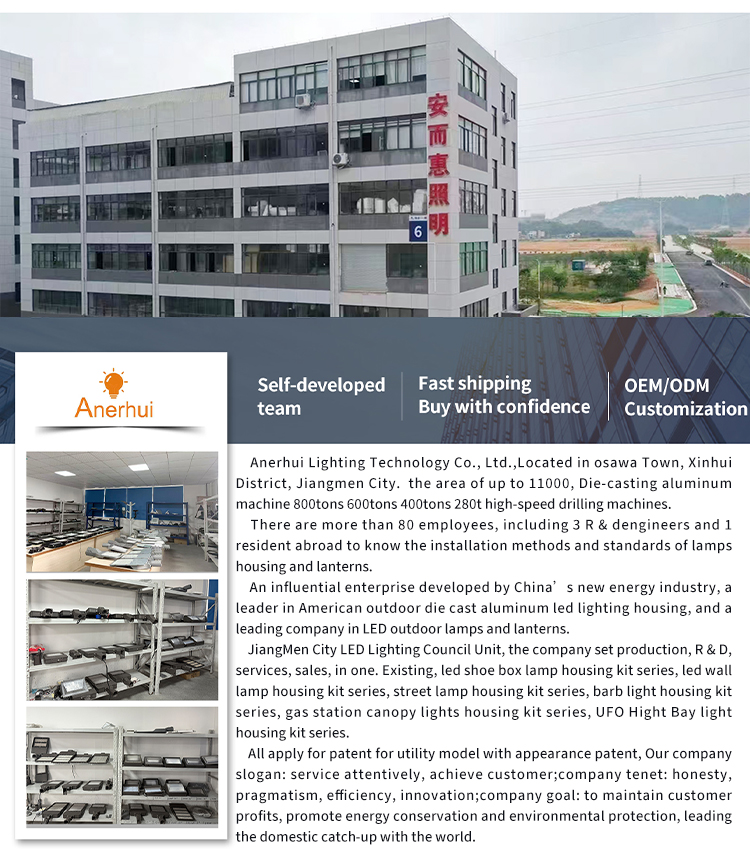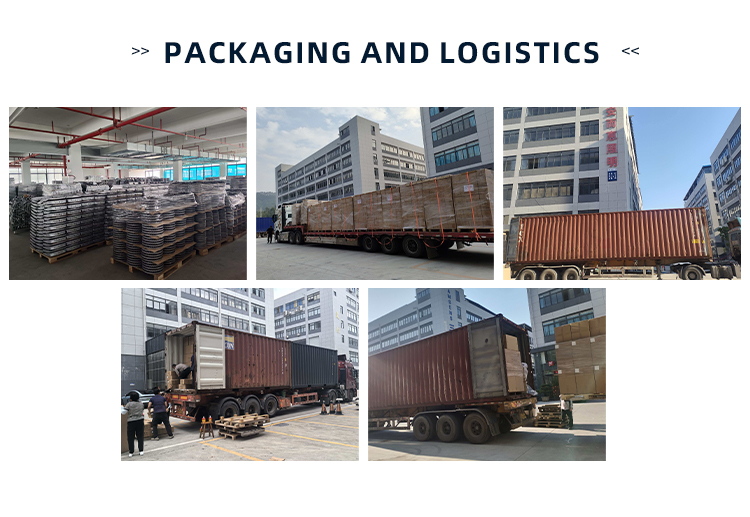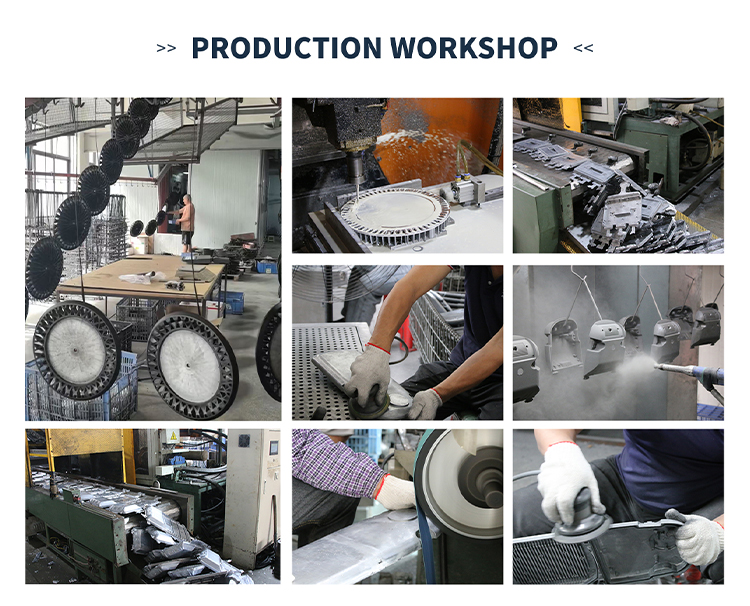
Have you ever wondered why high-quality LED street lights or industrial floodlights feel so sturdy and dissipate heat so effectively? The secret lies in the die-casting process.
In this guide, we’ll take a deep dive into the manufacturing journey of die-cast aluminum LED lights—from raw ingots to the finished, high-performance fixtures you see everywhere.
1. Why Choose Die-Cast Aluminum for LED Lighting?
Before we jump into the “how,” it’s important to understand the “why.” Aluminum is the gold standard for LED housing because of its:
- Thermal Conductivity: LEDs generate heat; aluminum pulls it away to prevent burnout.
- Durability: Die-casting creates a dense, strong structure that survives harsh weather.
- Precision: It allows for complex “heat sink” fin designs that are impossible with other methods.
2. The Step-by-Step Manufacturing Process
Phase 1: Mold Design and Engineering
Everything starts with a 3D blueprint. Engineers design a die (mold)—usually made of high-strength steel—specifically shaped to include cooling fins, screw holes, and the driver compartment.
Phase 2: Melting the Aluminum Alloy
Pure aluminum is too soft. Manufacturers use alloys like ADC12 or A380. The metal is heated in a furnace until it reaches a molten state, typically around $660°C$.
Phase 3: High-Pressure Injection
This is the core of “die-casting.” The molten aluminum is injected into the steel mold at incredibly high pressure.
Note: High pressure ensures the metal fills every tiny crevice of the cooling fins, which is vital for the light’s thermal performance.
Phase 4: Cooling and Ejection
Once the metal solidifies, the mold opens, and the “raw” LED housing is ejected. At this stage, it often has “flash” (excess metal) that needs to be trimmed.
3. Post-Processing and Surface Treatment
A raw casting isn’t ready for the market yet. To ensure it lasts 50,000 hours, it undergoes:
- CNC Machining: Precision drilling for wiring holes and mounting points.
- Shot Blasting: Removing burrs to create a smooth surface.
- Powder Coating: A protective layer that prevents corrosion and UV damage. This is why LED lights often have that textured grey or black finish.
4. Final Assembly: Bringing the Light to Life
The aluminum shell is now ready to become a light fixture. The factory then:
- Installs the PCB (Printed Circuit Board) with LED chips using thermal paste.
- Connects the LED Driver (the “brain” of the light).
- Seals the unit with a tempered glass lens and silicone gaskets to achieve IP65 or IP66 waterproof ratings.
5. Quality Control and Testing
To meet international standards, the finished die-cast LED lights must pass:
- Salt Spray Test: To check for corrosion resistance.
- Waterproof Test: Ensuring no leaks under high pressure.
- IK Rating: Testing the impact resistance of the aluminum body.
Conclusion: Investing in Quality
Choosing die-cast aluminum LED lights means choosing longevity. By understanding the complexity of the manufacturing process—from high-pressure injection to precision powder coating—it’s clear why these fixtures are the preferred choice for industrial and outdoor applications.
SEO Optimization Tips (Rank Math Checklist):
- Focus Keyword: Use “Die-Cast Aluminum LED Lights” in the first 10% of the content.
- Meta Description: “Discover the step-by-step process of how die-cast aluminum LED lights are made. Learn why aluminum die-casting is essential for LED heat dissipation and durability.”
- Internal Linking: Link this to your product pages (e.g., Street Lights or Floodlights).
- Alt-Text: Ensure all images have Alt-Text like “Aluminum Die-Casting Process for LED Housing.”
- Readability: Keep sentences short and use transition words (e.g., “Furthermore,” “Consequently,” “In addition”).